Home and Renters Insurance
Water Damage Coverage Gaps

If you own a home, you probably assume your insurance policy protects you from water problems. However, that assumption often leads to expensive surprises. Water Damage Coverage Gaps catch homeowners off guard every year because policies don’t cover every type of leak, flood, or plumbing disaster. When you understand Water Damage Coverage Gaps, you gain control instead of reacting in panic after damage hits. And honestly, a small misunderstanding today can turn into a massive repair bill tomorrow.
Many people skim their policy documents and focus only on the premium price. Meanwhile, exclusions hide in plain sight. Insurance companies outline exactly what they cover, but they expect you to read the fine print. So instead of guessing, let’s break down where coverage usually stops and what you can do about it.
What Counts as Water Damage?
Before diving into exclusions, you need clarity on what insurers consider water damage.
Generally, standard homeowners insurance covers sudden and accidental water damage. For example, if a pipe bursts unexpectedly and water floods your kitchen, most policies help cover repairs. Likewise, if your washing machine hose snaps and causes immediate damage, you likely receive assistance.
However, gradual damage tells a different story. If a small leak drips behind a wall for months, insurers may deny the claim. They often label long-term leaks as maintenance issues rather than sudden accidents.
That distinction explains why so many claims get rejected. Timing matters just as much as the source.
Water Damage Coverage Gaps You Should Know About
Understanding Water Damage Coverage Gaps starts with identifying the most common exclusions. Let’s look at the big ones.
1. Flooding from Natural Disasters
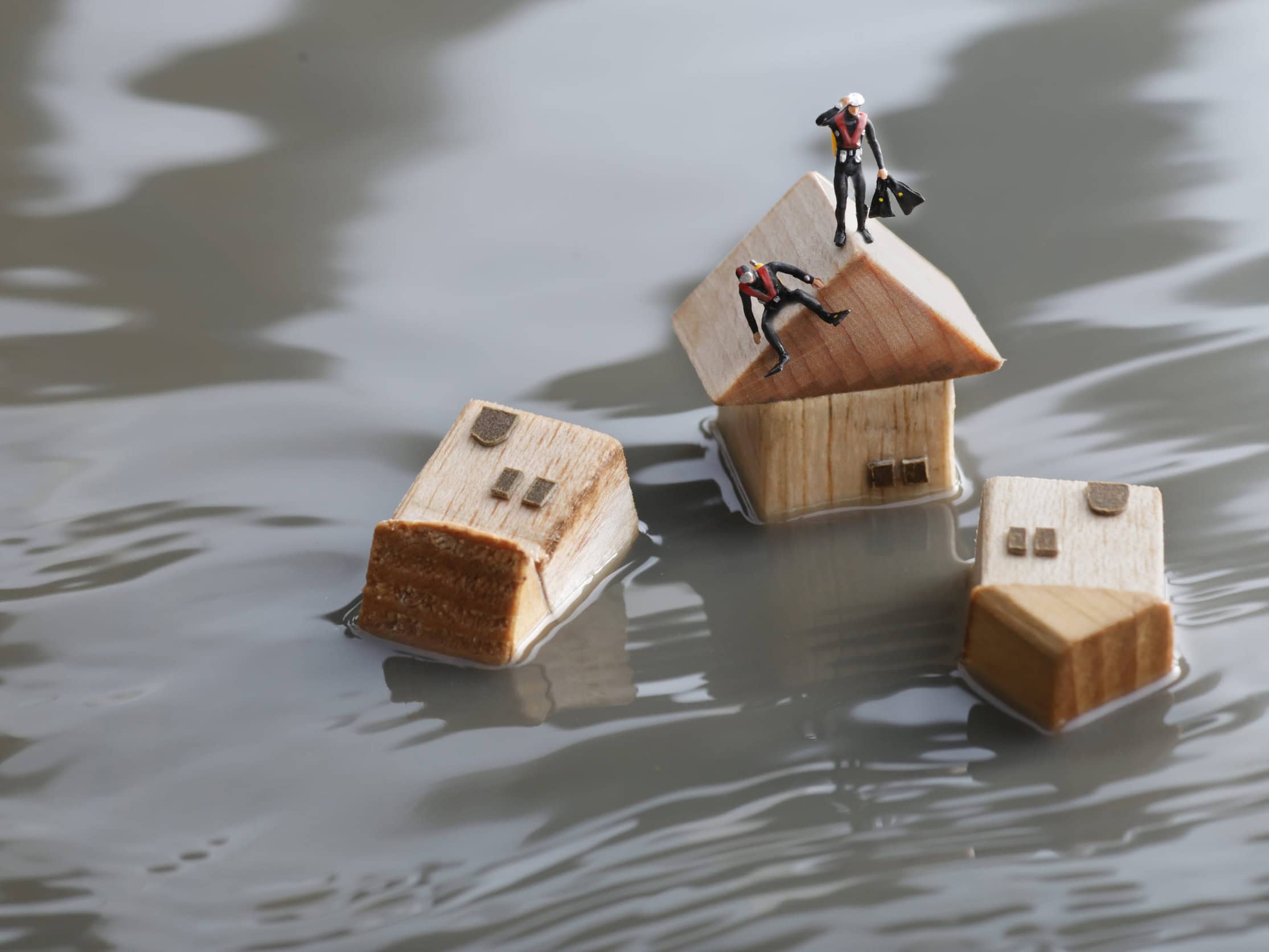
Standard homeowners insurance does not cover flood damage from heavy rain, hurricanes, or overflowing rivers. You need separate flood insurance for that protection.
If water enters your home from outside ground level, your regular policy likely won’t help. Many homeowners discover this gap only after severe storms hit.
2. Sewer Backups
Some policies exclude sewer or drain backups unless you add a special endorsement. Without that add-on, cleanup costs fall entirely on you.
Sewer backups can cause thousands of dollars in damage quickly. Therefore, this gap deserves serious attention.
3. Gradual Leaks
As mentioned earlier, slow leaks usually fall under maintenance responsibility. Insurers expect homeowners to inspect plumbing regularly and fix minor issues before they escalate.
4. Neglected Repairs
If you ignore visible damage and it worsens, insurers may deny your claim. They require reasonable upkeep.
These examples highlight how easily Water Damage Coverage Gaps can affect you.
Water Damage Coverage Gaps and Mold Problems
Water damage often leads to mold growth. However, mold coverage frequently comes with strict limits.
Many policies cap mold remediation payouts at a relatively low amount. If mold spreads extensively, cleanup costs can exceed those limits quickly.
Additionally, insurers may deny mold claims tied to long-term leaks. They may argue that neglect caused the problem.
Because mold remediation costs rise fast, homeowners should review their policy limits carefully.
Why Insurance Companies Create These Gaps
Insurance companies manage risk carefully. Flooding events can impact entire neighborhoods at once. If every homeowner filed flood claims under standard policies, insurers would struggle financially.
Therefore, they separate flood coverage into specialized policies backed by federal programs or private flood insurers.
Similarly, gradual leaks often stem from maintenance issues. Insurers design policies to cover unexpected accidents, not preventable deterioration.
Understanding their reasoning helps you navigate coverage strategically instead of emotionally.
How to Protect Yourself from Coverage Gaps
You don’t have to accept these gaps blindly. Instead, take proactive steps.
Review Your Policy Annually
Sit down once a year and read the water damage section carefully.
Ask Direct Questions
Call your insurance agent and ask specific questions about sewer backups, sump pump failures, and flood scenarios.
Add Endorsements
Many insurers offer affordable riders that expand protection. Sewer backup coverage often costs less than you expect.
Consider Flood Insurance
If you live in a flood-prone area, separate flood coverage provides essential protection.
By taking these steps, you reduce the financial risk tied to Water Damage Coverage Gaps.
Real-Life Scenarios That Surprise Homeowners
Let’s look at examples that often shock people.
A heavy rainstorm overwhelms city drains. Water seeps into a finished basement. The homeowner assumes insurance will cover everything. However, the claim gets denied because surface water entered from outside.
In another case, a slow pipe leak behind drywall creates structural damage over six months. The homeowner files a claim, but the insurer denies it due to gradual deterioration.
These situations happen more often than you think. Therefore, prevention and awareness matter.
Water Damage Coverage Gaps in Older Homes
Older homes face higher risk. Aging pipes, outdated plumbing systems, and worn seals increase leak potential.
Insurance companies sometimes require inspections before renewing older home policies. If they spot plumbing concerns, they may demand upgrades.
Homeowners with older properties should prioritize plumbing maintenance and consider expanded coverage options.
Warning Signs You Should Never Ignore
While insurance plays a role, prevention remains your first defense.
Watch for:
- Water stains on ceilings
- Musty odors
- Peeling paint
- Soft drywall spots
- Unexplained increases in water bills
If you notice these signs, act immediately. Quick repairs cost far less than major structural damage.
The Financial Impact of Ignoring Gaps
Water damage repairs can reach tens of thousands of dollars. Flooring replacement, drywall removal, mold remediation, and electrical repairs add up fast.
If insurance denies your claim, you must pay out of pocket. That financial strain can disrupt savings and long-term plans.
Therefore, investing time in policy review today can prevent massive expenses later.
Final Thoughts
Homeownership brings responsibility. While insurance provides protection, it doesn’t cover every scenario. Water Damage Coverage Gaps exist in nearly every standard policy, and ignoring them creates serious risk.
By reviewing your policy, adding necessary endorsements, and maintaining your home properly, you can close many of these gaps. You don’t need to panic, but you do need to stay informed.
When you understand how coverage works, you protect not just your property but also your financial stability. And that peace of mind makes every effort worthwhile.